2026 Best Specialty Chemicals Innovations and Trends to Watch?
The specialty chemicals sector is poised for significant transformation by 2026. According to recent market reports, the global specialty chemicals market is projected to exceed $1 trillion. This growth is driven by increased demand in electronics, automotive, and healthcare sectors. Companies are innovating to keep pace with sustainability trends.
New eco-friendly products are emerging. For instance, biodegradable polymers are gaining traction. Yet, challenges remain in sourcing sustainable raw materials. The need for constant innovation in specialty chemicals is critical. Failure to adapt may lead to market share loss.
Moreover, regulatory changes are reshaping the landscape. Compliance with eco-labeling and safety standards is now essential. Companies must not only innovate but do so responsibly. The race to lead the specialty chemicals market involves balancing innovation and ethics. How companies navigate these complexities will define their future.
Emerging Technologies Shaping the Future of Specialty Chemicals in 2026
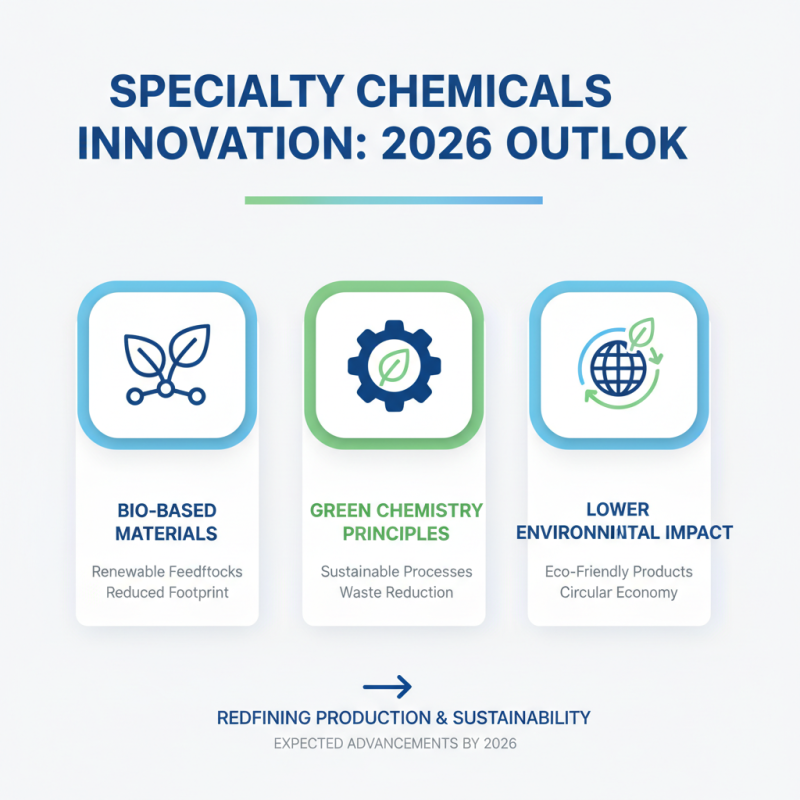
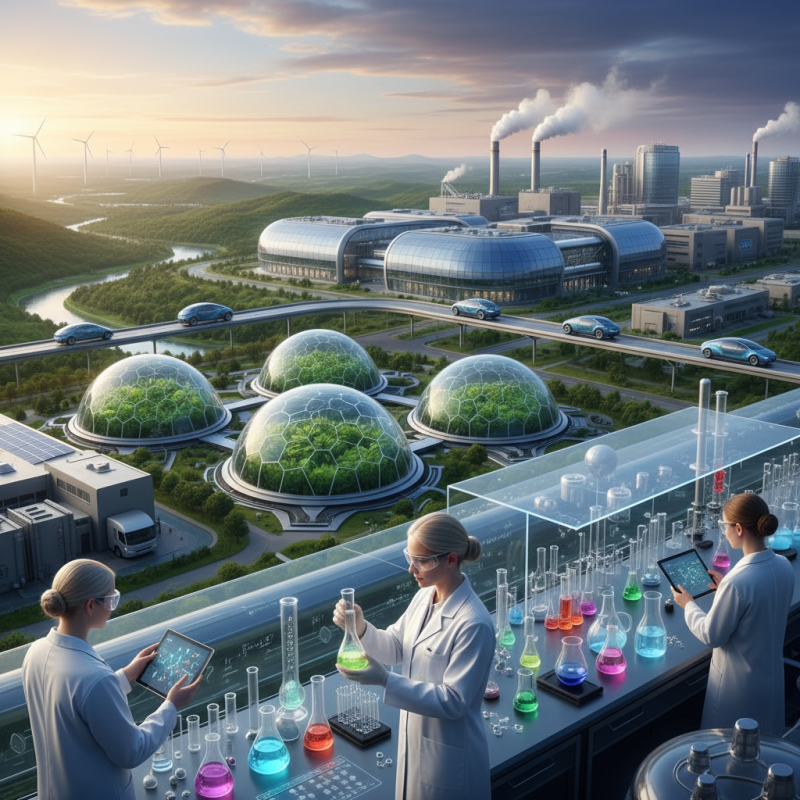
The specialty chemicals sector is witnessing groundbreaking innovations. Emerging technologies are redefining how we approach production and sustainability. In 2026, we expect advancements in bio-based materials and green chemistry principles to play a significant role. These technologies promise a lower environmental impact.
Tips: Consider how these innovations impact your supply chain. Can you adapt to use more sustainable materials? Look into collaborations with tech firms focusing on eco-friendly solutions.
Artificial intelligence is transforming operations. Algorithms will optimize processes and reduce waste in chemical manufacturing. This leads to better resource management. However, there are challenges. Not all industries can seamlessly integrate AI solutions. Assessing readiness is key.
Tips: Evaluate your current technology stack. Are you prepared for AI integration? Engage your team in discussions about potential hurdles. Recognize that technology adoption takes time and requires training.
Sustainable Practices Driving Innovation in Specialty Chemicals
Sustainable practices are reshaping the specialty chemicals sector. As of 2023, around 45% of global chemical companies have committed to reducing their carbon footprint. This shift is not just a trend; it reflects a deep-rooted necessity. Companies are turning to bio-based feedstocks, which can diminish reliance on fossil fuels. This change is essential. However, it comes with challenges.
The push for sustainability has sparked innovations in formulation and production. A study reveals that sustainable product lines can drive up to 35% of revenue growth by 2026. Many firms are investing in greener technologies. These innovations aim to improve efficiency and waste reduction. However, the transition is often hindered by high initial costs. Many firms struggle to balance short-term expenses with long-term benefits.
Moreover, consumer demand is evolving rapidly. Buyers increasingly prefer eco-friendly products. Research shows 70% of consumers are willing to pay a premium for sustainability. Despite this, some manufacturers still resist change. They face the risk of falling behind. The challenge lies not only in meeting these expectations but also in doing so profitably. This ongoing tension will define the industry's future.
Key Trends Influencing Consumer Demand for Specialty Chemicals
Consumer demand for specialty chemicals is evolving rapidly. Sustainability is a major factor. Reduced environmental impact shapes purchasing decisions. Companies are focusing on eco-friendly alternatives. Biodegradable materials gain popularity in various industries. Consumers are more informed than ever before. They prefer products that align with their values.
Innovation is also crucial. Functional ingredients capture attention in personal care. The trend towards inclusivity drives demand for diverse formulations. Specialty chemicals must address these needs. However, the supply chain can be a challenge. Responsiveness to market shifts is essential. Companies that fail to adapt risk losing customers.
Moreover, regulatory pressures cannot be ignored. Stricter guidelines affect product development. Compliance with these rules is necessary but challenging. Companies may struggle to keep up with innovations. Balancing compliance and innovation requires careful planning. The future of specialty chemicals hinges on this delicate balance.
Regulatory Changes Impacting the Specialty Chemicals Industry
Regulatory changes are reshaping the specialty chemicals industry in significant ways. New environmental standards are being introduced worldwide. These changes impact everything from production methods to product formulations. Companies must adapt quickly, which can be a challenge. Not all manufacturers are equipped to handle these shifts efficiently.
Compliance costs are on the rise. Small and mid-sized companies often struggle to keep up. They may lack the resources to invest in necessary upgrades. This disparity can lead to a competitive imbalance in the market. Industry leaders may thrive, while smaller players face potential decline.
Innovation must be a priority in response to regulations. Companies are exploring cleaner alternatives and sustainable practices. Investing in research can yield breakthroughs, but it takes time. The pressure to innovate can feel overwhelming. Many firms are still navigating the complexities of compliance. It's a juggling act, balancing innovation with legal obligations. Each step matters in this evolving landscape.
Collaborations and Partnerships: Fueling Growth in Specialty Chemicals
Collaboration is a cornerstone in the specialty chemicals sector. Partnerships drive innovation and foster growth. Companies are increasingly joining forces to share expertise, resources, and technology. This trend can lead to quicker market entry and better product offerings.
In recent years, many companies have invested heavily in joint ventures. These efforts often yield cutting-edge solutions. For instance, a combination of research teams can tackle complex challenges, like sustainability. However, not all partnerships succeed. Misalignment in goals or corporate culture can hinder progress. Companies must remain vigilant and adaptive.
Networking platforms and industry events play a vital role in building these connections. They enable idea exchange and collaboration opportunities. Organizations that actively participate in these ecosystems are more likely to thrive. Nevertheless, it’s crucial to continually assess these collaborations for effectiveness. Are the partnerships delivering the expected results? This reflective approach can spark continued innovation in specialty chemicals.
2026 Best Specialty Chemicals Innovations and Trends to Watch
| Innovation/Trend |
Description |
Impact on Growth |
Collaborating Entities |
| Biodegradable Polymers |
Development of eco-friendly polymers that decompose naturally. |
Significant reduction in plastic waste and increased demand for sustainable materials. |
Research Institutions, Environmental NGOs |
| Smart Coatings |
Coatings that can change properties in response to environmental conditions. |
Enhanced performance and functionality leading to increased market opportunities. |
Chemical Manufacturers, Technology Firms |
| Green Chemistry Processes |
Processes that minimize the use of hazardous substances in chemical manufacturing. |
Reduction in environmental impact and compliance with regulations are boosting growth. |
Academia, Government Agencies |
| Nanomaterials |
Materials engineered at the nanoscale for enhanced properties. |
Wide applications across industries driving innovation and investment. |
Universities, Startups |
| Digitalization in R&D |
Use of AI and data analytics to streamline development processes. |
Increased efficiency and faster time to market. |
Tech Companies, Research Labs |