2026 How to Choose the Right Dyes and Pigments for Your Projects?
Choosing the right dyes and pigments for your projects requires attention and expertise. According to industry expert Dr. Emily Carter, "The right color can bring art to life." It's essential to appreciate not only aesthetics but also material compatibility. A poor choice can lead to unexpected results.
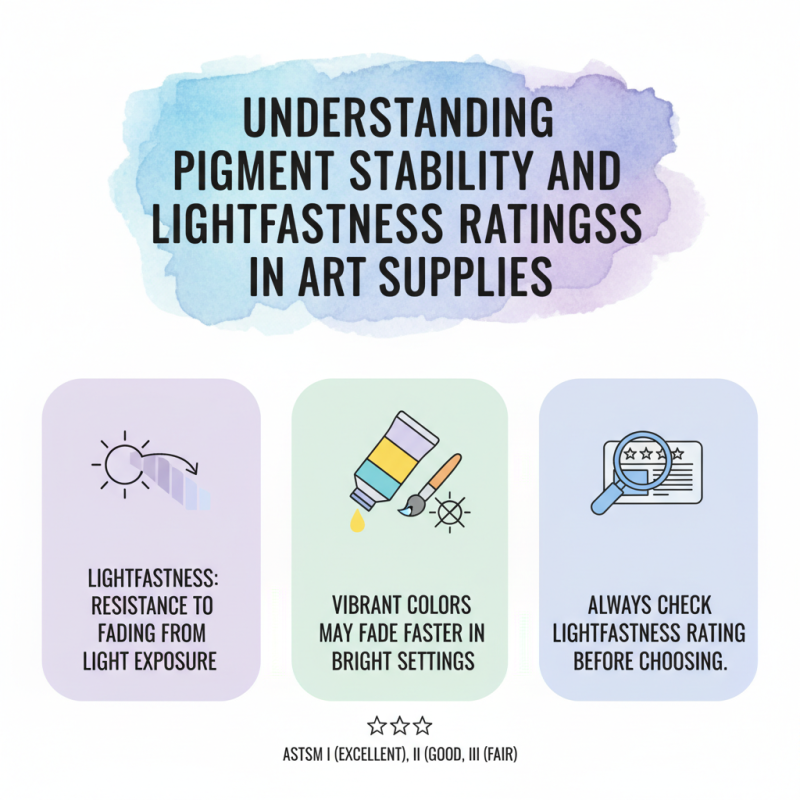
When selecting dyes and pigments, consider factors like lightfastness and toxicity. Some pigments may fade over time or pose health risks. Understanding your medium influences your selection process tremendously. For example, watercolors and textiles respond differently to various dyes.
Many creators overlook these details, leading to frustration. Inexperienced choices might seem vibrant initially but can tarnish the project's quality. Reflecting on the selection process can improve outcomes significantly. Make wise selections to enhance your artistic vision, ensuring sustainability and safety in using dyes and pigments.
How to Identify the Different Types of Dyes and Pigments Available
When selecting dyes and pigments, understanding their types is essential. Dyes are soluble substances that interact with materials at a molecular level. They penetrate fabrics or mediums and create vibrant colors. Conversely, pigments are insoluble particles. They sit on the surface of materials, providing opacity and strength.
The market analysis indicates that the global dye industry was worth over $15 billion in 2022, with expected growth. Water-soluble dyes dominate, ideal for textiles and papers. They offer a wide range of hues and are easier to use. However, some may fade over time, prompting a need for careful consideration. Inappropriate choices can result in disappointing outcomes.
In contrast, organic pigments have become increasingly popular, heralded for their stability and rich colors. Yet, they can be costly and difficult to apply. Many artists hesitate due to these factors. Finding the right balance between cost and quality is a challenge. Pigment particle size also affects color vibrancy. Smaller particles yield smoother applications, but larger ones provide better texture. Understanding these nuances can lead to more informed decisions.
2026 How to Choose the Right Dyes and Pigments for Your Projects?
This chart illustrates the different types of dyes and pigments commonly used in various applications, highlighting their respective popularity and usage in the industry.
Key Factors in Choosing the Right Dyes for Textiles and Fabrics
Choosing the right dyes for textiles is crucial. It can significantly impact your project’s success. For example, different fabrics absorb colors differently. Natural fibers like cotton react distinctively compared to synthetic fibers like polyester.
In a recent industry report, it was shown that 50% of textile manufacturers prioritize colorfastness when selecting dyes. This indicates that durability is key. Whether the fabric will face sunlight or frequent washing matters. Fading colors can ruin a beautiful fabric quickly.
**Tips:** Consider the end-use of the fabric. Will it be used for clothing or home textiles? Think about exposure to the elements. This will guide your dye selection.
The environmental impact is also essential. The Global Organic Textile Standard highlights that 30% of global dyed textiles come from harmful chemicals. Consider eco-friendly dyes as a safer alternative.
**Tips:** Always check certifications for sustainability. This not only protects the environment but can also appeal to conscious consumers. Selecting dyes is not just a technical decision. It is a reflection of your values and aspirations.
2026 How to Choose the Right Dyes and Pigments for Your Projects? - Key Factors in Choosing the Right Dyes for Textiles and Fabrics
| Factor |
Description |
Best Use |
Water Resistance |
Lightfastness Rating |
| Natural Dyes |
Derived from natural sources like plants, minerals, and insects. |
Eco-friendly textiles, craft projects. |
Low |
Moderate |
| Synthetic Dyes |
Chemically made dyes that offer vibrant colors. |
Commercial textiles, high-volume production. |
High |
High |
| Acid Dyes |
Used primarily for protein fibers like wool and silk. |
Wool, silk, nylon projects. |
Moderate |
High |
| Reactive Dyes |
Form a covalent bond with fibers, ideal for cotton and other cellulosic fibers. |
Cotton and rayon fabrics. |
High |
Very High |
| Disperse Dyes |
Used for synthetic fibers like polyester. |
Polyester fabrics, dye-sublimation. |
High |
Moderate |
Environmental Impacts of Dyes and Pigments in Industrial Applications
The environmental impact of dyes and pigments in industrial applications is a growing concern. These substances can pollute water and soil, affecting ecosystems. Many dyes are derived from petroleum, contributing to fossil fuel depletion. Their production involves toxic chemicals that can leak into waterways, harming aquatic life.
Wastewater from dye processes often contains hazardous materials. Treatment facilities struggle to remove these contaminants effectively. As a result, some communities face health risks from contaminated drinking water. It raises questions about the balance between industrial progress and environmental responsibility.
Choosing eco-friendly dyes can mitigate these issues. Natural dyes, sourced from plants and minerals, offer less harmful alternatives. However, they often lack the vibrancy of synthetic options. It poses a challenge for industries seeking both performance and sustainability. New technologies are needed to create safe, effective pigments without compromising environmental integrity.
Cost Considerations and Sourcing Strategies for Quality Colorants
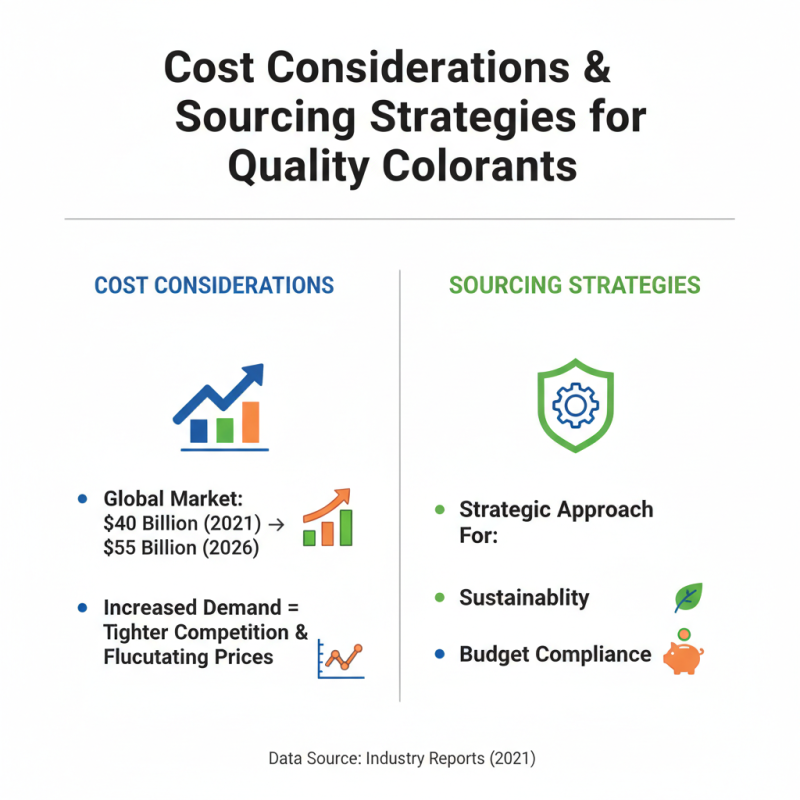
When selecting dyes and pigments for projects, cost considerations are pivotal. The global colorants market was valued at approximately $40 billion in 2021 and is projected to reach $55 billion by 2026, according to industry reports. This growth reflects increased demand in various sectors, but it also means tighter competition and fluctuating prices. Sourcing quality colorants needs a strategic approach to ensure sustainability and budget compliance.
Understanding the nuances of pricing is essential. For example, organic pigments generally cost more than inorganic ones. Their vibrancy and eco-friendliness often justify the price. However, many projects may not need premium products. Assessing project requirements can prevent overspending. An average small business spends around 10-15% of its budget on dyes, a figure that can rise dramatically for larger production runs.
It's crucial to consider sourcing strategies. Local suppliers might offer expedited delivery times, impacting overall project timelines. However, importing can sometimes yield lower costs. The transparency of suppliers is also key. Not all provide detailed information about sourcing practices, which can affect quality. Some manufacturers still rely on outdated practices that might not prioritize environmental safety. Evaluating suppliers based on sustainability can help find the right balance between cost and quality.