Why Are Chemical Plants Essential for Modern Industry?
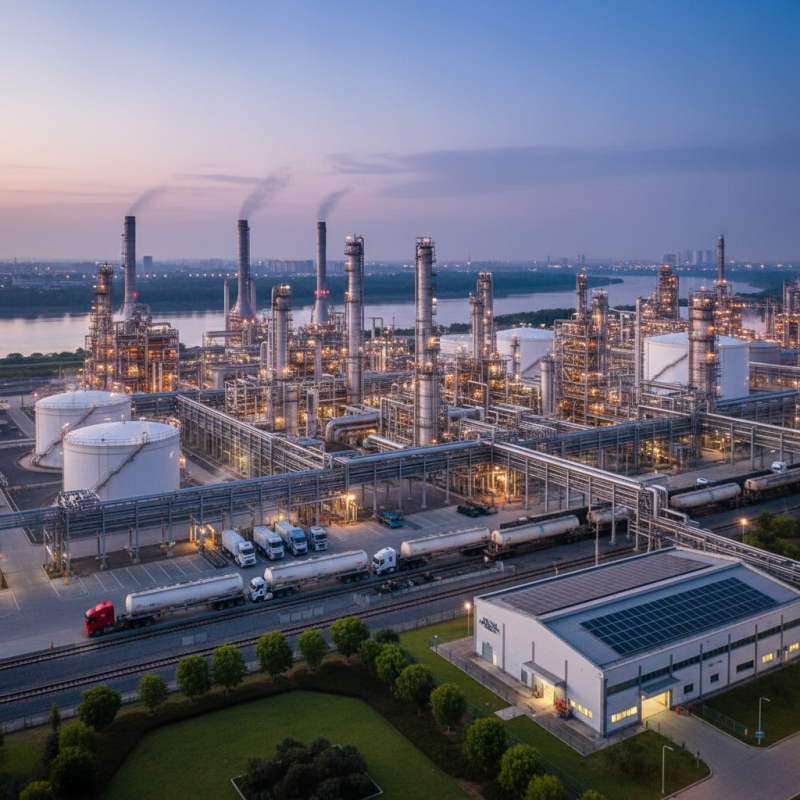
Chemical plants play a vital role in modern industry. These facilities produce essential materials we rely on daily. They manufacture chemicals that are the backbone of various products. From plastics to pharmaceuticals, their impact is significant.
However, the operation of chemical plants brings challenges. Safety and environmental concerns cannot be overlooked. Accidents can have serious consequences, both human and ecological. Thus, not all aspects are perfect. Improvement is necessary to ensure safety and sustainability.
Despite the risks, chemical plants are crucial. They support economic growth and innovation. Industries rely on their outputs to create everything from energy sources to medical supplies. Chemical plants must evolve, addressing their shortcomings while continuing to meet global demands.
The Role of Chemical Plants in the Production of Essential Goods
Chemical plants play a crucial role in producing essential goods for modern society. They manufacture a wide range of products, from pharmaceuticals to fertilizers. According to a recent report by the American Chemistry Council, the chemical industry contributed over $760 billion to the U.S. economy in 2022. This figure shows the industry's significant impact on economic growth and job creation.
In addition to economic benefits, chemical plants help improve quality of life. They provide materials for everyday products, including plastics and cleaning agents. These products enhance convenience and hygiene in our daily routines. It is estimated that the global chemical industry is responsible for producing around 80% of the world's pharmaceuticals and agrochemicals, indicating their vital role in health and agriculture.
**Tip:** Always consider sustainable practices in the chemical industry. Using greener technologies can minimize environmental impact.
Despite their benefits, there are challenges. Chemical plants face scrutiny over safety and environmental concerns. Accidents, though rare, can have serious consequences. Continuous improvement in safety protocols is necessary for public trust. The industry must prioritize transparency and accountability to address these issues.
**Tip:** Engage with local communities to foster trust and understanding. Open communication can alleviate concerns and enhance safety efforts.
Key Chemical Processes and Their Applications in Industry
Chemical processes are fundamental to various industries. They produce essential materials that drive innovation. In 2022, the global chemical industry generated around $5 trillion in revenue. This figure highlights its importance in modern economies.
Petrochemical processes are notable examples. They convert crude oil into valuable products like plastics and fuels. In fact, petrochemicals account for about 14% of the total global chemical market. This showcases their significance. However, transitioning to sustainable alternatives remains a challenge. There's a growing concern about environmental impact.
Another critical process is chemical synthesis. It is widely used in pharmaceuticals. The World Health Organization estimates that over 2 million people benefit from essential medications derived from chemical synthesis each year. The increasing demand for healthcare solutions emphasizes the need for these processes. Yet, reliance on traditional methods raises questions about sustainability. How can we innovate while reducing harm to our planet? This remains a pressing issue for the industry.
Key Chemical Processes in Modern Industry
Environmental Considerations and Sustainable Practices in Chemical Plants
Chemical plants play a crucial role in modern industry. However, their impact on the environment raises important questions. Sustainable practices must be prioritized. Utilizing renewable resources is one way to minimize harm. Many plants now use waste by-products for energy. This approach decreases reliance on fossil fuels.
Effective waste management is also vital. Chemical plants often produce hazardous waste. Implementing recycling processes helps reduce this waste significantly. It’s essential to avoid landfill use whenever possible. Regular audits of waste streams can highlight areas for improvement.
Tips: Consider adopting green chemistry methods. These can lead to safer products and fewer toxic by-products. Assessing suppliers for sustainability can further enhance eco-friendly practices. Remember, each small change contributes to a larger impact. Every step towards sustainability is a step in the right direction.
Why Are Chemical Plants Essential for Modern Industry? - Environmental Considerations and Sustainable Practices in Chemical Plants
| Aspect |
Importance |
Sustainable Practice |
Environmental Impact |
| Raw Material Processing |
Crucial for producing everyday products |
Use of renewable resources |
Reduction in resource depletion |
| Energy Generation |
Supports energy needs of various industries |
Implementing energy-efficient technologies |
Lowers greenhouse gas emissions |
| Waste Management |
Minimizes the negative impacts of waste |
Adoption of circular economy principles |
Promotes recycling and reduces landfill use |
| Water Usage |
Essential for production and cooling processes |
Water recycling and treatment technologies |
Conserves fresh water resources |
| Regulatory Compliance |
Ensures safety and environmental standards |
Implementation of best practices |
Decreases potential pollution risks |
Economic Impact of Chemical Manufacturing on Global Markets
The chemical manufacturing sector significantly shapes global markets. In 2022, this industry generated approximately $5 trillion globally. It accounts for about 7% of the world's GDP. The ripple effects of this sector are felt across many industries. From agriculture to pharmaceuticals, chemical products are essential.
Despite its economic contribution, the industry faces challenges. Environmental concerns are rising. The production process often generates waste. It requires stricter regulations to minimize harm. According to a report by the International Council of Chemical Associations, the sector must reduce greenhouse gas emissions by 25% by 2030. This reflects a growing demand for sustainable practices.
Investments in innovation are crucial for future growth. Many companies are exploring greener technologies. This shift doesn't happen overnight. It requires time and resources. Chemical plants play a vital role in this transition. They are at the forefront of developing new, eco-friendly materials. Balancing economic benefits and environmental responsibilities is a pressing concern.
Innovations in Chemical Engineering and Their Industrial Significance
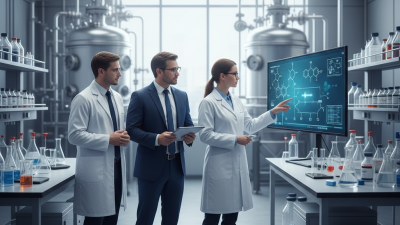
Chemical engineering stands at the forefront of industrial innovation. It drives the creation of essential materials for various sectors. For instance, polymers, fertilizers, and pharmaceuticals rely heavily on chemical processes. These advancements not only enhance production efficiency but also allow for sustainable practices.
Tips: Explore new textbooks or online resources to understand current methods. Keep an open mind. Always consider how innovations can improve operations.
The importance of chemical plants lies in their flexibility to adapt to consumer needs. They produce everything from food additives to advanced fuel types. However, the reliance on complex machinery can lead to unexpected challenges. Maintenance issues can halt production, affecting supply chains. This unpredictability requires constant vigilance and adaptability.
Tips: Create a routine maintenance schedule. Train staff to identify potential problems early. A proactive approach saves time and resources.