How to Optimize Chemical Manufacture Processes for Better Efficiency?
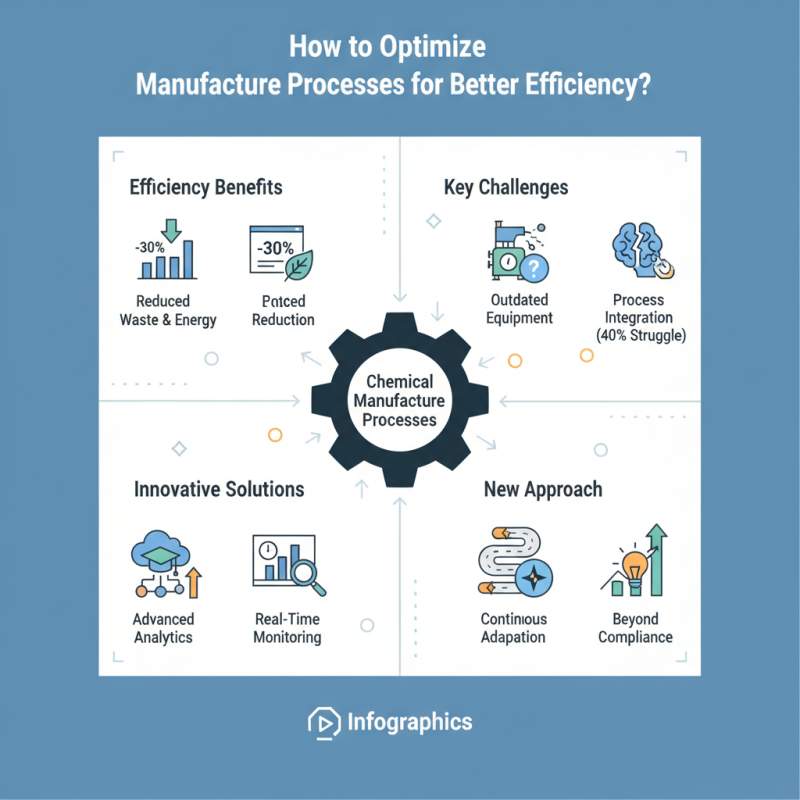
The optimization of chemical manufacture processes is crucial in today’s competitive landscape. According to a recent report by the American Institute of Chemical Engineers, optimizing production can lead to cost reductions of up to 30%. These improvements are essential not only for profitability but also for sustainability. Efficient processes can significantly reduce waste and energy consumption, aligning with global environmental standards.
However, many facilities still face challenges in achieving optimal efficiency. Outdated equipment and lack of training can hinder progress. For instance, data shows that nearly 40% of chemical plants struggle with process integration. This issue often results in operational inefficiencies. Companies must adopt innovative technologies and advanced analytics to overcome these barriers.
Rethinking chemical manufacture strategies could unlock substantial gains. Implementing real-time monitoring systems can enhance decision-making. Investing in employee education can empower teams to maximize output. The journey towards efficiency requires continuous reflection and adaptation, as mere compliance with standards isn’t enough. It’s time to shift focus from traditional methods to a more dynamic approach in chemical manufacture.
Understanding the Basics of Chemical Manufacturing Processes
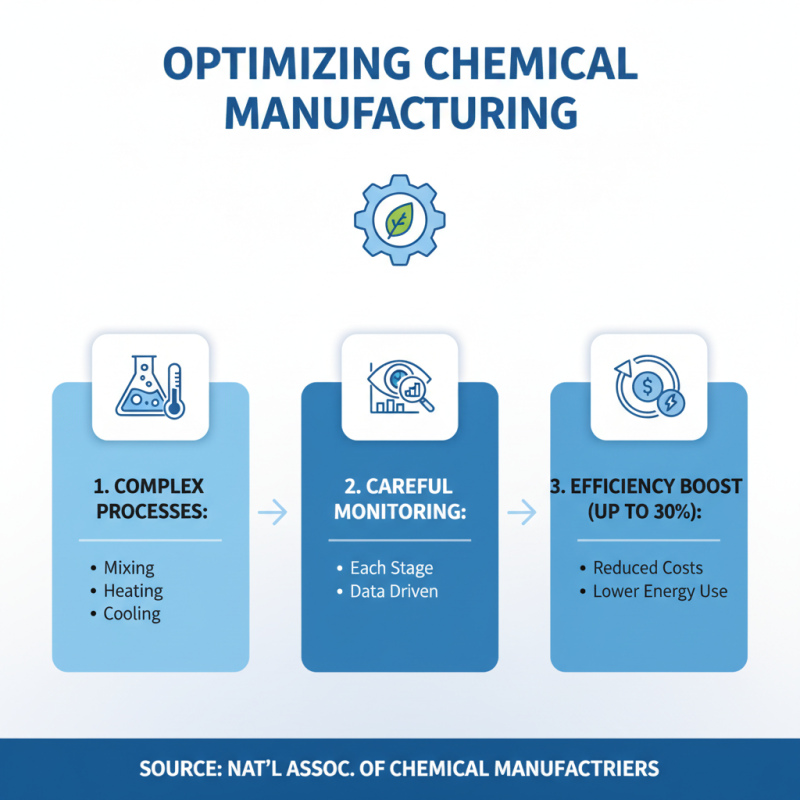
Chemical manufacturing is a complex field. It involves various processes such as mixing, heating, and cooling. Each stage requires careful monitoring. Data from the National Association of Chemical Manufacturers indicates that optimizing these steps can increase efficiency by up to 30%. This improvement can significantly reduce production costs and energy consumption.
Understanding the basics of chemical manufacturing processes is crucial. Typically, these processes include reaction engineering, separation, and purification. Each of these stages can have bottlenecks that hinder overall efficiency. For instance, inefficient heat exchanges can lead to 20% more energy use than necessary. Small adjustments, like tweaking temperature controls or flow rates, can make a big difference. It’s important to analyze and identify these areas of improvement.
However, challenges exist. Many plants struggle with outdated equipment, which can drain resources. Up to 40% of manufacturers report inefficiencies tied to legacy systems. Embracing modern technology, like data analytics, can uncover hidden inefficiencies. Yet, investing in new systems requires careful consideration and can be met with resistance. Continuous evaluation and a willingness to adapt are essential for progress in the industry.
Identifying Key Efficiency Metrics in Chemical Production
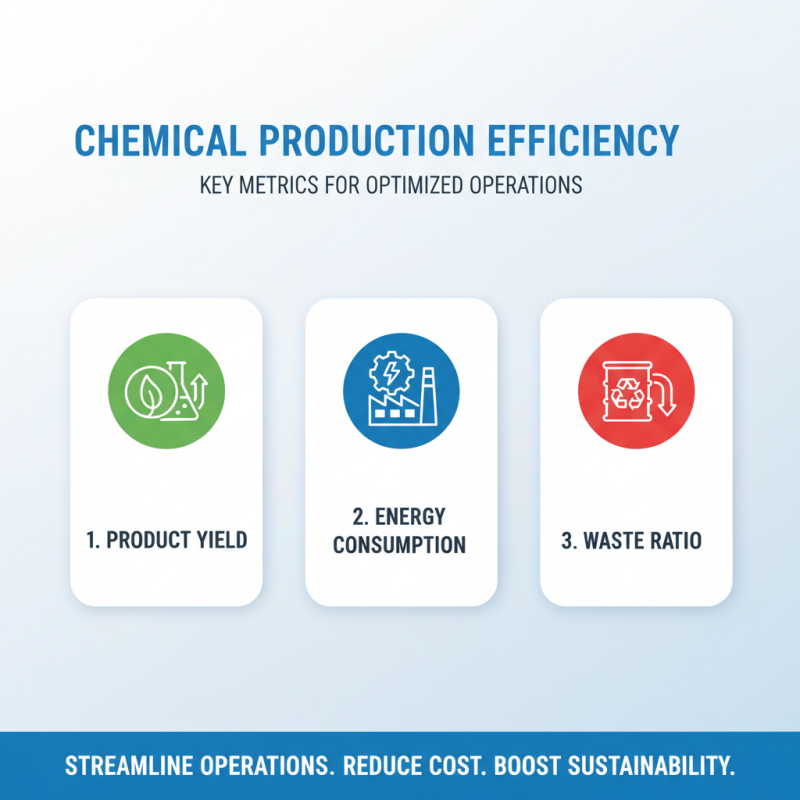
In the world of chemical production, identifying key efficiency metrics is vital. Efficiency isn't just about speed; it also includes resource management. Key metrics can vary but often include yield, energy consumption, and waste ratio. Keeping these metrics in focus helps streamline operations. For instance, tracking energy consumption closely can reveal patterns that lead to better energy efficiency.
Tips for improvement: Regular audits can uncover inefficiencies. Analyzing historical data is essential. Sometimes, outdated processes linger and can be overlooked. This can skew results and lead to wasted resources. Implementing real-time monitoring can help identify issues promptly. Evaluate every part of the process, even the smaller steps.
Another metric to monitor is the yield percentage. Getting high yields is crucial. Unfortunately, some processes don’t maximize potential. Inconsistent results may stem from equipment issues or raw material quality. Small adjustments can significantly influence outcomes. Encourage feedback from operators; they often spot issues that data alone cannot reveal.
Implementing Lean Manufacturing Principles in Chemical Processes
Implementing lean manufacturing principles in chemical processes can significantly enhance efficiency.
Lean methodology focuses on reducing waste while maximizing value. In the chemical industry, this means evaluating every step of the production process.
For instance, analyzing raw material handling can identify bottlenecks. Streamlining these steps can lead to improved throughput.
Visual management is crucial in this context.
Color-coded indicators on equipment can show performance levels at a glance. Teams can quickly spot issues before they escalate.
However, not all transitions will be smooth. Resistance to changes may arise from employees accustomed to old methods.
Open dialogue can help ease these concerns. Regular training sessions can equip teams with the skills needed to adapt.
Another essential aspect is continuous improvement.
Conducting regular audits can pinpoint areas still needing refinement. Sometimes, the most straightforward solutions are the hardest to implement.
Small adjustments can lead to significant gains over time. It’s vital to encourage experimentation and accept occasional failures.
This fosters a culture of innovation, essential for long-term success.
Leveraging Technology for Process Automation and Control
In the quest for better efficiency in chemical manufacturing, process automation and control are crucial. Advanced technologies allow manufacturers to streamline operations. For instance, sensors can monitor temperature and pressure in real-time. This minimizes human error and ensures stable production conditions.
However, implementing these technologies is not without challenges. Many organizations face integration issues with existing systems. It can be difficult to adapt new software to legacy equipment. Training employees to use new technologies also requires time and resources. Some workers may resist these changes, fearing job loss or a steep learning curve.
Despite these hurdles, the benefits of automation are significant. Automated systems can analyze large datasets instantly. This leads to quicker decision-making and improved product quality. Over time, companies may notice a reduction in waste and increased energy efficiency. The journey towards optimization is ongoing, requiring constant evaluation and adjustment. Embracing this evolution is essential for thriving in a competitive landscape.
Efficiency Optimization in Chemical Manufacturing Processes
Continuous Improvement Strategies for Sustainable Chemical Production
Continuous improvement is critical for enhancing efficiency in chemical manufacturing. According to a recent report by the International Council of Chemical Associations, implementing continuous improvement practices can lead to up to a 30% reduction in operational costs. Companies often overlook the potential of regular process audits, which can identify bottlenecks. These audits are the first step in streamlined production.
Engaging employees in the process is vital. Studies show that organizations with employee-driven initiatives report a 20% increase in productivity. Workers often notice inefficiencies that management may miss. However, companies must foster an environment that encourages feedback and discussion. Otherwise, valuable insights may be lost.
Additionally, embracing digital technologies can enhance monitoring and efficiency. A report from the Global Chemicals Outlook indicates that digital transformation can lead to a 15% improvement in resource utilization. Despite the clear benefits, many manufacturers hesitate. The transition is complex and needs careful planning. Thus, ongoing education and training become necessary to address these gaps.