How to Optimize Operations in Chemical Plants for Maximum Efficiency?
In the complex world of chemical plants, optimizing operations stands as a critical challenge. Efficient processes not only boost productivity but also reduce costs and environmental impact. Every decision counts. Small adjustments can lead to significant improvements over time. Optimizing chemical plants involves examining various factors, such as energy consumption and waste management.
Yet, achieving maximum efficiency is not a straightforward task. Each chemical plant has unique characteristics that require tailored strategies. Factors like equipment age and staff training play a vital role. It is essential to recognize that even a well-planned system can encounter unexpected issues. Continuous assessment is necessary to adapt to changing conditions.
The journey towards streamlined operations demands focus and innovation. Embracing technology, such as automation, can enhance precision. However, the human element remains vital. Engaging with staff fosters an environment of shared ideas and solutions. Balancing technology and human insight often leads to the most effective strategies in chemical plants.
Understanding the Importance of Operational Efficiency in Chemical Plants
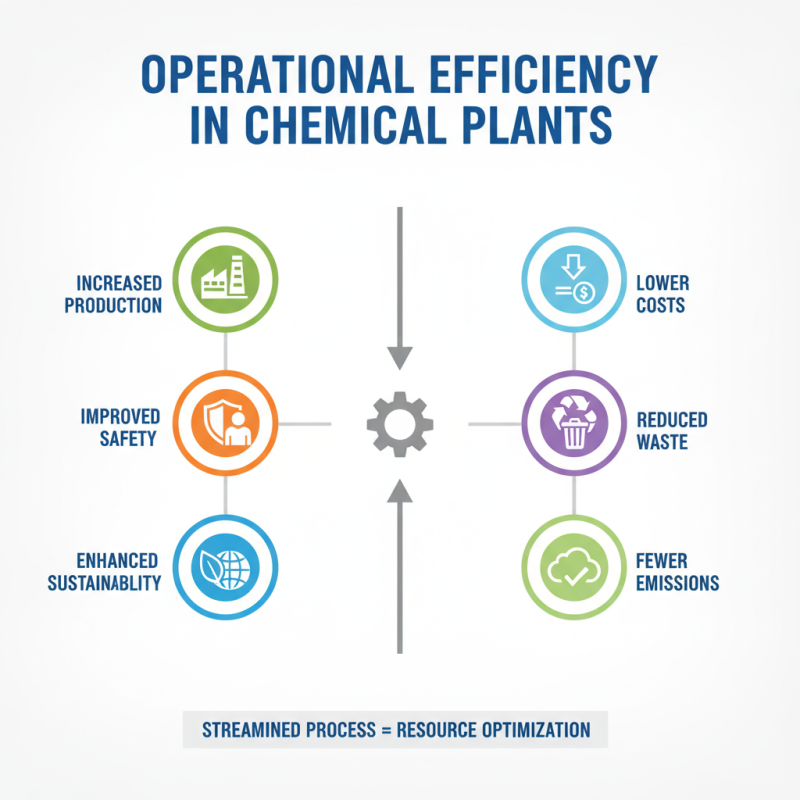
Operational efficiency is crucial in chemical plants. It impacts production, safety, and sustainability. Efficient operations reduce waste and lower costs. A streamlined process means raw materials are used wisely. This leads to fewer emissions and healthier environments.
In practice, optimizing operations involves continuous monitoring. Regular assessments can identify bottlenecks in production. Sometimes, the team may overlook areas needing improvement. Minor adjustments can yield significant benefits. Employee training is vital too. Workers need to be aware of best practices. Investing in training can close knowledge gaps.
It's also important to embrace technology. Automation can enhance precision and speed. However, reliance on technology can pose risks. Systems may fail, leading to downtime. It’s essential to find a balance. Reflecting on current processes can reveal hidden inefficiencies. Regularly seeking feedback from staff can uncover new ideas.
Identifying Key Performance Indicators for Chemical Plant Operations
Key Performance Indicators (KPIs) are crucial for optimizing operations in chemical plants. They help track efficiency, safety, and compliance. Essential KPIs include production rates, energy consumption, and raw material usage. By monitoring these metrics, plants can identify inefficiencies and areas for improvement.
For instance, measuring production rates can reveal bottlenecks in the process. A sudden drop in output might indicate equipment failure or a need for staff training. Similarly, tracking energy consumption can highlight wasteful practices. One might discover that certain processes need an energy audit to identify savings.
However, establishing KPIs isn't always straightforward. Some plants struggle with defining relevant metrics. Others may overlook certain indicators, leading to incomplete assessments. Regularly reviewing and adjusting KPIs is vital. It allows plants to stay aligned with changing operational goals and market conditions. This ongoing reflection can lead to more informed decision-making and greater efficiency in the long run.
How to Optimize Operations in Chemical Plants for Maximum Efficiency?
| Key Performance Indicator |
Description |
Target Value |
Current Value |
Status |
| Production Yield |
Percentage of actual output compared to the expected output. |
95% |
92% |
Below Target |
| Energy Consumption |
Amount of energy used per unit of product. |
150 kWh/unit |
160 kWh/unit |
Above Target |
| Downtime |
Total time equipment is not operational. |
< 5% |
7% |
Above Target |
| Waste Generation |
Amount of waste produced per unit of product. |
< 10 kg/unit |
12 kg/unit |
Above Target |
| Safety Incidents |
Number of reported safety incidents. |
0 |
1 |
Above Target |
Implementing Advanced Technology for Process Optimization
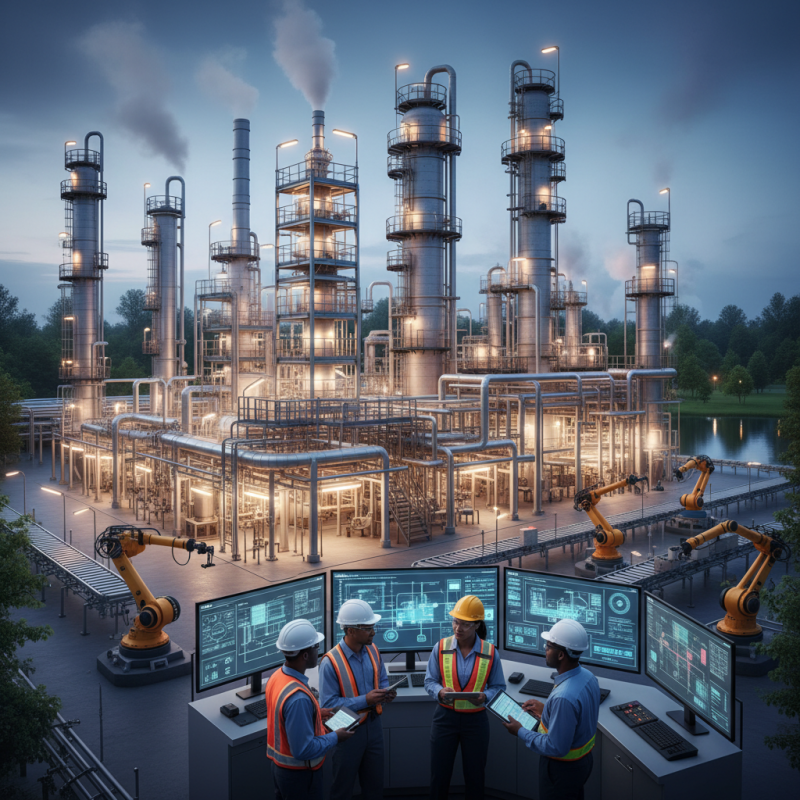
Incorporating advanced technology in chemical plants can significantly boost operational efficiency. The use of real-time data analytics allows for better decision-making. Operators can monitor processes closely and identify inefficiencies quickly. Predictive maintenance tools help prevent unexpected equipment failures. However, not all plants have adopted these technologies effectively.
Some facilities still rely on outdated systems. This creates bottlenecks and delays. Training staff on new technologies is a common challenge. Without proper training, even the best technology can falter. Another issue is integration with existing systems. Sometimes, new tools clash with legacy systems, leading to confusion and frustration.
Implementing automation can streamline processes significantly. Automated systems can manage routine tasks, reducing human error. However, the transition to automation can be daunting. It requires a cultural shift within the workforce. Employees may resist changes to their roles. Continuous evaluation of these technologies is essential to ensure they meet current needs.
Optimizing Operations in Chemical Plants
This chart illustrates the improvement in operational efficiency in chemical plants before and after the implementation of advanced technology for process optimization. The data demonstrates a significant increase in efficiency from 65% to 85% post-implementation, highlighting the benefits of integrating new technologies.
Streamlining Supply Chain Management in Chemical Production
Streamlining supply chain management in chemical production is crucial for maximizing efficiency. Effective communication among all stakeholders is key. Timely data sharing helps in planning and reducing delays. When teams operate in silos, issues arise. Coordination among procurement, manufacturing, and distribution is essential. Regular meetings can address concerns but may also fall short of fostering true collaboration.
Implementing advanced technology enhances visibility in the supply chain. Real-time tracking of materials helps in identifying bottlenecks. However, this may require significant investment. Businesses must weigh the benefits against costs carefully. Simplifying processes is another way to boost operational efficiency. Redundant steps can lead to waste and frustration. Analyzing workflows can reveal areas for improvement.
Employees play a vital role in optimizing operations. Training them on best practices can lead to better performance. Yet, without proper motivation and morale, even the best strategies can fail. Fostering a culture of continuous improvement is necessary, but it doesn't happen overnight. Leaders should consistently engage with staff to understand their challenges and suggestions. Balancing innovation with practicality is an ongoing challenge in this sector.
Enhancing Workforce Skills and Training for Optimal Performance
In chemical plants, the workforce plays a critical role in ensuring optimal performance. Enhancing skills through targeted training can significantly improve operations. Practical training sessions can help employees understand advanced machinery. Hands-on experiences often lead to better retention than classroom teachings. Engaging workers in real-world scenarios can foster quick decision-making skills.
However, training programs can sometimes miss the mark. It's important to assess whether training is relevant to daily tasks. Workers may feel overwhelmed if the content is too theoretical. Regular feedback from employees can highlight these gaps. Addressing their concerns can refine the training content and approach.
Moreover, fostering a culture of continuous learning is essential. Short workshops can introduce new technologies and methods. Encouraging peer-to-peer learning can also empower workers. Over time, this can lead to a stronger, more efficient team. Monitoring progress will reveal areas for improvement. This iterative process can drive tangible outcomes in plant efficiency.