How to Optimize Processes in the Chemical Manufacturing Industry?
The chemical manufacturing industry faces constant pressures to enhance efficiency and reduce costs. According to Dr. Emily Carter, a leading expert in chemical engineering, "Optimization is key to staying competitive in this field." Her insights highlight the need for innovative approaches.
Many companies struggle with outdated processes that hinder productivity. Choosing the right technology can be daunting. Each decision can impact the entire operation. Investments in automation and data analytics are becoming crucial. Yet, not all firms have adopted these advancements effectively.
Reflections on these challenges reveal potential gaps in training and execution. Employees often resist changes, fearing a loss of jobs or skills. Adapting to new technologies requires careful planning and support. The journey towards optimization in the chemical manufacturing industry may seem overwhelming. However, with collaborative efforts, companies can find pathways to improve performance and sustainability.

Understanding the Chemical Manufacturing Process and Its Challenges
The chemical manufacturing process is complex. It involves meticulous coordination of raw materials, energy input, and quality control. However, inefficiencies abound in this field. According to a recent report, around 15% of production time is spent on non-value-adding activities. This highlights a significant area for optimization.
Production faces several challenges. One major issue is equipment downtime. Industry data shows that unplanned outages can cost manufacturers up to $500,000 per incident. This loss goes beyond financial. It disrupts schedules and impacts customer satisfaction. Poor training can also lead to errors. Workers may not fully understand processes, which increases risks.
Furthermore, resource management requires attention. Chemical waste and energy consumption contribute to inefficiencies. Reports indicate that chemicals wasted during production can reach up to 20%. This is not just wasteful; it can erode profits. Analyzing these variables can lead to substantial improvements. Identifying root causes of delays is crucial for long-term gains. The industry must reflect on these challenges to thrive in a competitive landscape.
Identifying Key Areas for Process Optimization in Chemical Production
In the chemical manufacturing industry, process optimization is essential. Identifying key areas for improvement can lead to better efficiency and reduced costs. Analyzing workflows often reveals bottlenecks. These are spots where production slows down. For example, raw material handling might take too long, delaying entire batches.
Tips: Regularly assess your supply chain. This helps pinpoint delays. Simplifying communication among teams boosts overall effectiveness.
Energy usage is another critical area. High energy consumption can inflate operational costs. Look into modern technology to monitor energy patterns. This data can reveal wasteful practices. Addressing these can drive savings.
Tips: Implement energy audit tools. A small change in energy efficiency can make a significant impact. Foster a culture of continuous improvement among staff. Encourage them to report inefficiencies, no matter how minor.
Process Optimization in Chemical Manufacturing
Implementing Lean Manufacturing Principles in the Chemical Industry
Implementing lean manufacturing principles in the chemical industry can yield significant benefits. Recent studies highlight that the adoption of lean methods can increase efficiency by 20% to 30%. This reduction directly lowers production costs and improves profitability. In a sector known for high operational costs, such savings are crucial. A focus on waste reduction not only streamlines operations but also enhances product quality.
The shift to lean practices sometimes faces resistance within organizations. Employees may struggle to adapt to new processes or feel insecure about their roles. Open communication and training are key to overcoming these hurdles. Engaging workers in the transformation process can build a culture of continuous improvement. Moreover, performance metrics must be rigorously tracked. A report from a leading industry analyst shows that 50% of projects fail due to inadequate performance measurement. This reality should prompt chemical manufacturers to critically examine their data collection methods.
Additionally, implementing lean principles is not without its challenges. Some plants may experience short-term disruptions during the transition. This can lead to temporary dips in productivity. However, short-term pain often precedes long-term gain. Adjustments may require time and patience within the workforce. Adopting a mindset geared toward process optimization can ultimately lead to industry-leading operational practices.
Leveraging Technology and Automation for Enhanced Efficiency
The chemical manufacturing industry can greatly benefit from technology and automation. Implementing advanced technologies can streamline operations and reduce errors. Automation can optimize workflows, resulting in faster production rates.
Investing in process automation is essential. For example, consider using programmable logic controllers (PLCs) to manage machinery. These devices help ensure uniform output and minimize downtime. Real-time monitoring through sensors can provide immediate feedback on performance.
**Tip:** Regularly evaluate your existing processes. Identify bottlenecks or areas with frequent errors. Simple changes can lead to significant improvements.
Another area to focus on is data analytics. Analyzing production data helps to make informed decisions. It also identifies inefficiencies that need addressing. Moreover, integrating machine learning can enhance predictive maintenance.
**Tip:** Train your staff in new technologies. Their adaptability is crucial. Investing in employee skills can lead to better utilization of automation tools.
While technology offers numerous advantages, the implementation process can be challenging. Resistance to change might happen. It's important to keep communication open. Address concerns early to ensure a smoother transition.
How to Optimize Processes in the Chemical Manufacturing Industry?
| Process Area |
Technology Used |
Benefits |
Efficiency Improvement (%) |
| Raw Material Handling |
Automated Conveyor Systems |
Reduced manual labor, faster loading |
30% |
| Reactor Operations |
Real-Time Monitoring Systems |
Improved reaction control, lower waste |
25% |
| Quality Control |
Automated Testing Equipment |
Faster analysis, higher accuracy |
20% |
| Packaging |
Robotic Palletizers |
Increased speed, reduced damage |
35% |
| Supply Chain Management |
AI-Driven Analytics |
Optimized inventory, reduced costs |
40% |
Measuring Performance and Continuous Improvement Strategies in Manufacturing
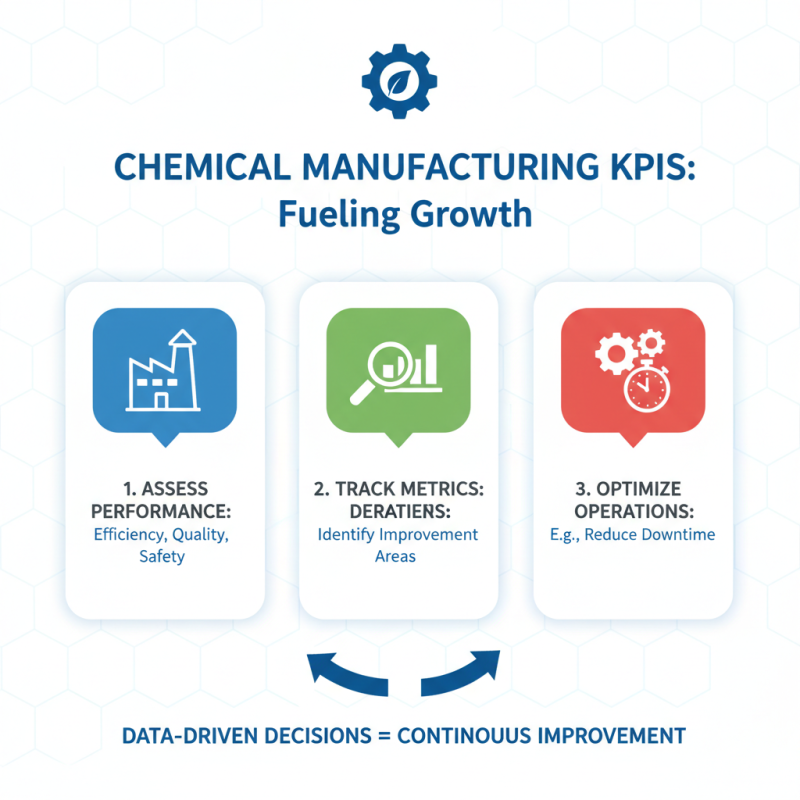
In the chemical manufacturing sector, measuring performance is crucial for growth. Key performance indicators (KPIs) help assess efficiency, quality, and safety. Regular tracking of these metrics can pinpoint areas needing improvement. For example, analyzing production downtime can uncover hidden inefficiencies. A plant may face unexpected breakdowns. Addressing these issues requires close collaboration among teams.
Continuous improvement strategies are essential for achieving long-term success. Techniques like Kaizen encourage small, incremental changes in processes. Employees at all levels can contribute. Simple suggestions might lead to significant efficiency gains. However, this approach can be challenging to implement. Resistance to change often arises in established environments. Creating a culture that embraces innovation is vital.
Utilizing technology can further enhance performance measurement. Data analytics tools provide insights into operations. A company might invest in real-time monitoring systems. But, over-reliance on technology may lead to oversights. Balancing human intuition with data-driven approaches is necessary. Identifying both strengths and weaknesses in processes is key to a brighter future.