Blog
Top 10 Innovations Shaping the US Chemical Industry Today?
Innovation plays a critical role in the evolution of the US chemical industry. Recent advancements continue to redefine production methods, materials, and sustainability practices. Renowned expert Dr. Linda R. Davis once noted, "Technological breakthroughs can elevate the US chemical industry to new heights." Her insight highlights the potential for transformative change.
As the industry shifts, key innovations emerge. For instance, green chemistry is gaining momentum. It encourages the reduction of hazardous substances in chemical processes. Additionally, advancements in data analytics streamline manufacturing operations. Companies increasingly adopt digital tools to enhance productivity and reduce waste.
However, challenges exist. Not all innovations lead to immediate benefits. Some require significant investment and time for development. Moreover, the integration of new technologies may face resistance from traditionalists. Reflecting on these dynamics, the future of the US chemical industry seems promising yet uncertain. It will depend on balancing innovation with practicality.

Emerging Biotechnologies Revolutionizing Chemical Production
Biotechnologies are transforming the chemical industry in unprecedented ways. They harness living organisms to produce chemicals sustainably. This shift is not just efficient; it’s essential for minimizing environmental impact. Innovative methods use enzymes and microbes, reducing the need for harmful chemicals. These bioprocesses not only enhance production but also lower costs over time.
A growing focus on bio-based feedstocks marks a significant change. Traditional petrochemical sources face scrutiny for their sustainability. As a result, bioproduction seeks alternatives from waste materials. For instance, transforming agricultural byproducts into valuable chemicals is becoming viable. However, challenges remain. Scaling these methods to match industrial demands can be difficult. Research and development are crucial to overcoming such hurdles.
Additionally, partnerships between industry and academic institutions drive progress. They foster innovation and knowledge sharing. Yet, there's a constant need for ethical considerations in biotechnology applications. Balancing profit and responsibility remains a complex issue. As the sector evolves, the implications of these technologies require ongoing reflection and adjustment.
Top 10 Innovations Shaping the US Chemical Industry Today
| Innovation | Description | Impact | Market Adoption Rate (%) | Future Outlook |
|---|---|---|---|---|
| Synthetic Biology | Engineering biology for production of chemicals. | Increases efficiency and reduces waste. | 30% | Expected to double in the next 5 years. |
| Bioplastics | Plastics derived from renewable biomass sources. | Reduces dependence on fossil fuels. | 25% | Significant growth anticipated in packaging sectors. |
| Fermentation Technology | Using microbes for chemical synthesis. | Enhances sustainability of chemical production. | 20% | Growing interest from pharmaceutical industries. |
| Carbon Capture Utilization | Converting CO2 emissions into useful products. | Reduces greenhouse gas emissions. | 15% | Potential increase with stricter regulations. |
| Green Chemistry | Designing chemical processes to minimize hazardous substances. | Improves safety and environmental impact. | 40% | Expected to be widely adopted in SMEs. |
| Enzyme Engineering | Optimizing enzymes for specific chemical reactions. | Increases reaction efficiency and selectivity. | 22% | Growth in biocatalysis applications expected. |
| Waste Valorization | Converting waste materials into valuable products. | Reduces landfill waste and costs. | 18% | Potential for rapid growth in circular economy. |
| Biofuels | Sustainable fuels produced from biological materials. | Reduces carbon footprint of energy consumption. | 35% | Growing demand in transportation sector. |
| Advanced Materials | New materials with superior properties for various applications. | Enhances performance and sustainability in products. | 28% | Continued innovation expected in nanotechnology. |
| Artificial Intelligence | Utilizing AI for optimizing chemical processes. | Improves process efficiency and reduces costs. | 10% | Predicted to rise significantly with digital transformation. |
Advancements in Sustainable Manufacturing Practices
Advancements in sustainable manufacturing practices are transforming the chemical industry. Companies are increasingly adopting eco-friendly processes. The goal is to reduce waste and emissions. This shift is not just beneficial; it’s necessary. The pressure for sustainability is mounting.
One significant development is the use of bio-based materials. These alternatives can replace traditional fossil fuels. They often produce fewer pollutants. However, challenges remain. Sourcing reliable bio-feedstocks is sometimes difficult. This inconsistency can slow down production.
Moreover, many manufacturers are now focusing on energy efficiency. Innovative technologies are being integrated to lower energy consumption. Examples include advanced process controls and real-time monitoring systems. These can enhance overall productivity. However, initial costs can be a barrier. Companies may struggle with the investment and long-term benefits. Balancing these aspects is crucial for successful implementation. The journey toward sustainable practices requires constant evaluation and adjustment.
Top 10 Innovations Shaping the US Chemical Industry Today
This chart illustrates the advancements in sustainable manufacturing practices within the chemical industry, highlighting key innovations and their impact on sustainability metrics.
Integration of AI and Machine Learning in Chemical Processes
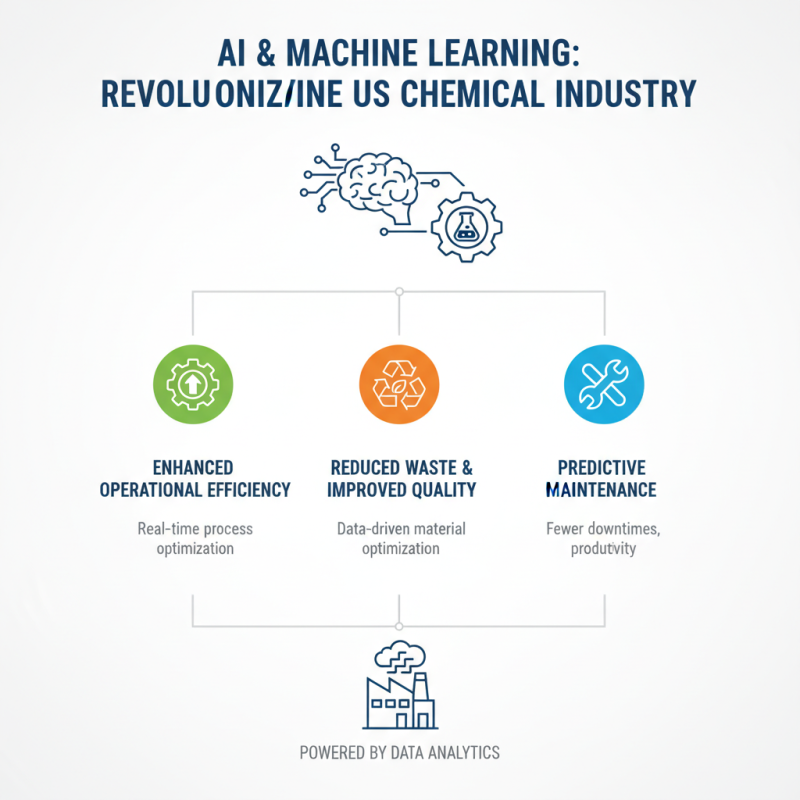
The integration of AI and machine learning in chemical processes is revolutionizing the US chemical industry. These technologies enhance operational efficiency, reduce waste, and improve product quality. By analyzing vast data sets, AI algorithms can predict equipment failures and optimize processes in real-time. This predictive capability leads to fewer downtime issues and maximizes productivity.
Implementing AI is not without its challenges. Companies must ensure their data is accurate and relevant. Without clean data, AI models can produce misleading results. Additionally, the integration process can be complicated. Employees may need training, and adapting to new systems takes time.
Tips: Invest in employee education and training. Ensure your data sources are reliable. Monitor and adjust AI models regularly for optimal performance. Embrace a culture of continuous improvement. This will help businesses stay competitive while navigating the complexities of AI integration.
Development of Green Chemistry and Eco-friendly Materials
The push for green chemistry is transforming the US chemical industry. A report by the American Chemical Society reveals that the global green chemicals market is expected to reach $38 billion by 2024. This significant growth indicates a shift towards sustainable practices. Companies are exploring eco-friendly materials that reduce environmental impact. These innovations are not just trends; they are crucial for future resilience.
Biodegradable plastics and natural surfactants are gaining traction. Many industries are now prioritizing these alternatives. For instance, over 40% of companies are actively investing in green chemistry initiatives. However, challenges remain. The development of truly sustainable materials often faces high production costs. Moreover, the market adoption requires educating both consumers and businesses alike.
A key focus is the life cycle analysis of materials. Understanding the entire impact from production to disposal is essential. While some companies excel in transparency, others fall short. If not addressed, this disparity could hinder overall progress. Industry leaders must engage in collective efforts to overcome these obstacles while advancing eco-friendly innovations.
Innovations in Waste Management and Recycling Techniques
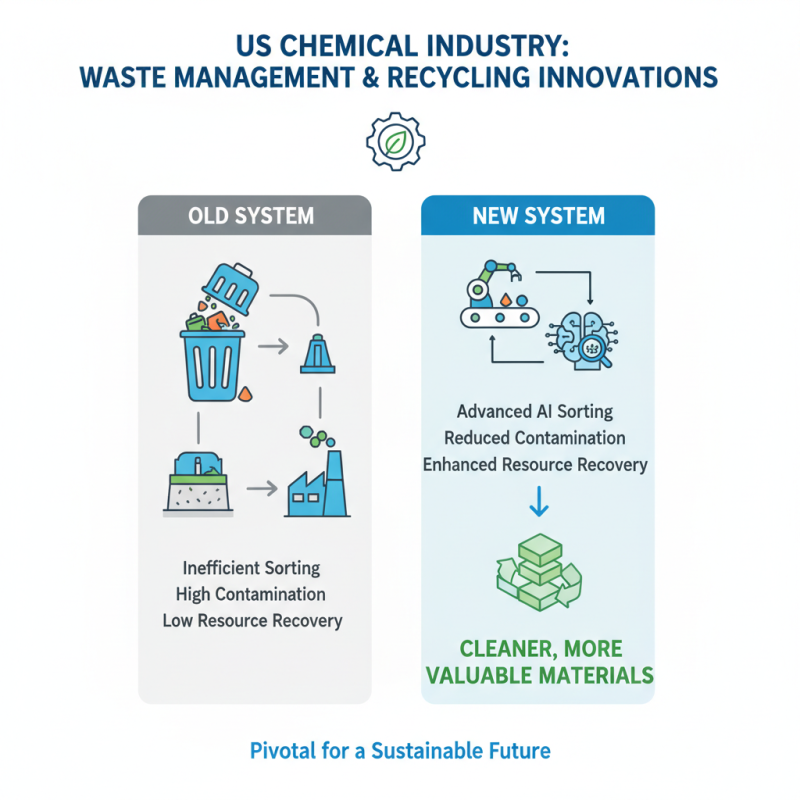
Innovations in waste management and recycling are pivotal for the US chemical industry. New technologies aim to reduce waste and enhance resource recovery. Advanced sorting systems now employ AI to identify materials more efficiently. These systems reduce contamination in recycling streams. The result is cleaner, more valuable recycled materials.
The push for circular economy principles is strong. Companies are exploring new methods to recycle complex materials. They focus on not just conventional plastics but also textiles and electronics. However, challenges remain. Many recycling facilities struggle to keep up with diverse waste streams. Not every community has access to these advanced technologies.
Improving public awareness is essential. Many consumers still lack knowledge about recycling practices. Education can bridge this gap, helping people make better choices. Innovations need to complement these educational efforts. The journey towards sustainable waste management is ongoing and requires collaboration. Everyone has a role to play in making it successful.
Related Posts
-
Why Are Chemical Plants Essential for Modern Industry?
-

What is Solvent Pigment and How Does it Impact Your Art Projects
-
Top Benefits of Direct Dyes in Fabric and Textile Industries?
-

The Best 10 Solvent Soluble Dyes for Your Projects?
-
How to Choose the Best Water Soluble Dye for Your Craft Projects
-

How to Choose Between Dyes and Pigments for Your Projects?