Why Choose a Vacuum Bowl Cutter for Your Kitchen Needs?
In modern kitchens, efficiency and quality are paramount. The vacuum bowl cutter has emerged as a crucial tool. According to recent industry reports, the global food processing equipment market is projected to reach $84 billion by 2025. The vacuum bowl cutter stands out due to its precision and speed. This machine can significantly reduce preparation time, enhancing productivity.
The design of the vacuum bowl cutter ensures that food retains its moisture and flavor. With its ability to mix and process ingredients without air exposure, it offers superior results. However, not all kitchen setups can accommodate this equipment. Some chefs may overlook the investment cost and the required maintenance.
Using a vacuum bowl cutter can elevate culinary creations, but it's important for chefs to evaluate their needs. Is the price justified for home kitchens? Though this tool provides myriad benefits, reflection is necessary. The choice ultimately depends on balancing budget and desired outcomes in the kitchen.
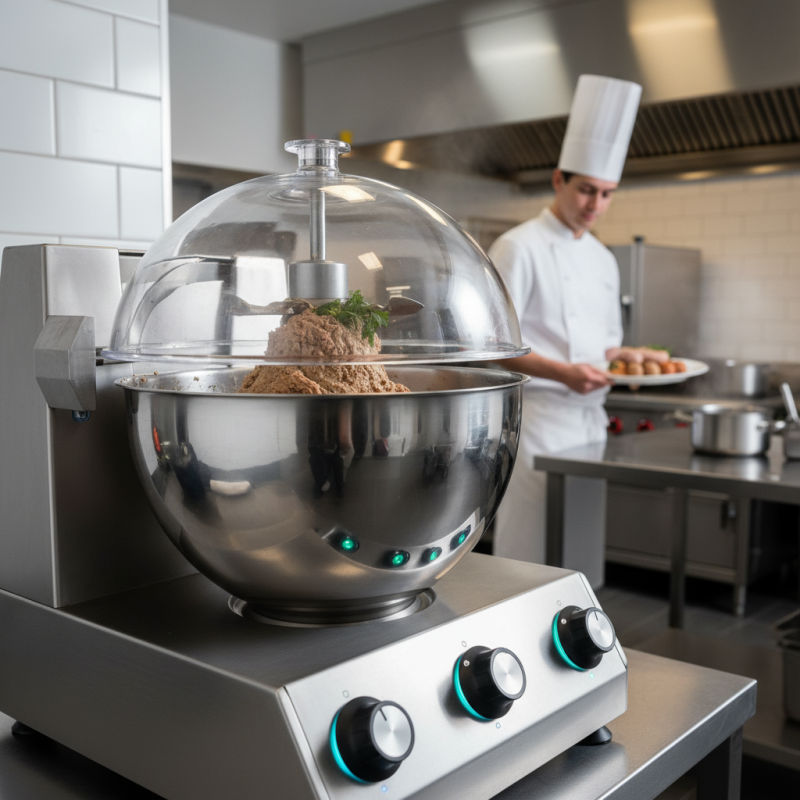
Benefits of Using a Vacuum Bowl Cutter in Modern Kitchens
A vacuum bowl cutter can transform your cooking experience. This tool is designed to chop ingredients finely and evenly. It works by creating a vacuum, which helps retain the flavor and freshness of food. Many chefs appreciate this advantage. However, it does require some practice to achieve the perfect texture.
Using a vacuum bowl cutter saves time in meal preparation. It reduces the need for manual chopping. With this tool, you can create consistent cuts in less time. However, not everyone may get immediate results. Some may need to adjust their technique and timing for optimal outcomes. It’s essential to experiment with different ingredients to understand how they respond.
Maintaining this equipment can be a slight challenge. Cleaning can be more complex than with traditional cutters. Attention to detail is crucial. While a vacuum bowl cutter offers many benefits, it requires commitment to learn its intricacies. Embracing these challenges leads to improved culinary skills and delicious meals.
How Vacuum Technology Enhances Food Quality and Freshness
When it comes to food preparation, quality is paramount. Vacuum technology plays a pivotal role in enhancing the freshness of ingredients. By removing air, it limits oxidation and slows the degradation of food. This means colors stay vibrant, and flavors remain intact. Imagine slicing fresh vegetables. With vacuum sealing, crispness is preserved, unlike traditional methods.
The technology is not just for storage. It actively improves the way food is processed. Use a vacuum bowl cutter for meats and herbs. The vacuum environment allows for better incorporation of flavors, making dishes more palatable. When grinding spices, the process also captures essential oils. This leads to a richer taste sensation.
However, mastering vacuum cooking can be tricky. One may overshoot the time or temperature. Too much vacuum can alter textures, which isn’t always desirable. It's important to experiment and learn from mistakes. Observing how ingredients react in this sealed environment provides invaluable insights. Each trial hones your skills and enhances culinary outcomes.
Impact of Vacuum Technology on Food Quality and Freshness
Key Features to Look for in a Vacuum Bowl Cutter
When considering a vacuum bowl cutter, certain key features can enhance your kitchen experience. First, look at the capacity. A larger bowl enables you to process more ingredients at once. This is helpful for larger meals or batch cooking. However, ensure your kitchen space can accommodate a bigger unit. Not every kitchen has enough room.
Next, consider the blade quality. Sharp, durable blades make all the difference. They should cut ingredients smoothly and evenly. Dull blades lead to uneven textures, which can affect your dish's outcome. Cleaning can be another challenge. Some models have complicated designs that make it hard to remove food residues. Keeping your equipment clean is crucial for food safety.
Lastly, look for a vacuum sealing feature. This can keep your ingredients fresher for longer. It prevents oxidation, which affects the taste and appearance. Still, be cautious. Not all vacuum seals work as effectively, so research is needed. Some units may not maintain the seal over time. Design and user-friendliness are also important. A confusing interface can lead to mistakes. It's worth testing the unit before using it for a big meal.
Why Choose a Vacuum Bowl Cutter for Your Kitchen Needs? - Key Features to Look for in a Vacuum Bowl Cutter
| Feature | Description | Benefits | Considerations |
| Vacuum Functionality | Removes air for fresher end products. | Improves texture and shelf-life of items. | Requires proper sealing to be effective. |
| Stainless Steel Bowl | Durable and easy to clean material. | Resistant to rust and corrosion. | Check for food-grade quality. |
| Variable Cutting Speed | Adjustable speed settings for different ingredients. | Allows for precision in food preparation. | May require practice to master various speeds. |
| Safety Features | Includes safety locks and automatic shut-off. | Reduces risk of accidents during use. | Must ensure features are functional and tested. |
| Noise Levels | Measure of how much sound the machine produces. | Quieter models are less disruptive in kitchens. | Consider noise if you work in a shared space. |
Comparing Vacuum Bowl Cutters to Traditional Cutting Methods
When comparing vacuum bowl cutters to traditional cutting methods, one can notice several key differences. Traditional methods, like manual chopping, are often inconsistent. A study showed that uneven cuts can result in varying cooking times. These inconsistencies can affect the texture of dishes. Vacuum bowl cutters, on the other hand, provide precision. They achieve uniform pieces in a fraction of the time. This accuracy can enhance flavors and presentations in culinary settings.
Additionally, the vacuum environment in these cutters minimizes oxidation. A report highlighted that up to 30% of nutrients can be lost during traditional processing. This is particularly concerning for health-conscious chefs. Vacuum bowl cutters lock in nutrients and freshness. Ingredients retain their vibrant colors and flavors. Though this technology comes at a higher initial cost, the long-term benefits make it worthwhile.
However, these machines can be complex. Training staff to use them correctly takes time. There may also be a learning curve involved. In some cases, chefs might feel nostalgia for traditional methods. The tactile feedback of chopping can be satisfying. Balancing technology with authenticity remains a challenge in modern kitchens.
Applications of Vacuum Bowl Cutters in Professional and Home Cooking
Vacuum bowl cutters have transformed both professional and home kitchens. These machines offer precision and efficiency in food preparation. In industry circles, they are praised for their ability to maintain flavor and nutrient content. Research from the Culinary Institute indicates that food processed under vacuum retains up to 30% more nutrients compared to traditional methods. This makes them essential for health-conscious chefs and home cooks alike.
In a professional setting, vacuum bowl cutters are often used for crafting emulsions and purees. The vacuum environment minimizes the risk of oxidation, resulting in vibrant colors and fresh tastes. Chefs report that sauces made using these machines have a smoother consistency and richer flavors. In homes, they can simplify complex tasks, from creating homemade spreads to finely chopping vegetables with less mess. However, they can be an investment, potentially complicating small kitchen spaces.
Despite their benefits, some users find the learning curve steep. Operating the machine effectively requires practice and understanding. Missteps can lead to inconsistent results. Additionally, the initial cost may deter casual cooks. Balancing the benefits with these challenges is crucial for anyone considering a vacuum bowl cutter in their kitchen arsenal.

